
« La dernière chose – celle dont l’art est fait – se passe dans la salle de concert. »
Krystian Zimerman
One of the most famous lines of Saint-Exupéry’s little masterpiece of reflection Le Petit Prince says that what is essential is invisible to the eye, for it is only with the heart that one can see rightly. Eyes – the window to one’s soul, the extraordinary chain of mechanisms of light and refraction that enables us to behold the beauty of the world. And yet there is still so much they cannot touch, cannot reveal. Experience would confirm to any of us at a certain point in our lives that very often there is a long distance to be covered between the eye and the heart, when the true meaning of shapes and luminescence becomes lost on us unless a higher organ of perception is called to help.
On Friday evening, 7th June, I wondered, while seated in the spacious, floating lagoon that is the Paris Philharmonic, that if there is truly so much the eyes cannot see, then, possibly, how much is there the words cannot tell?
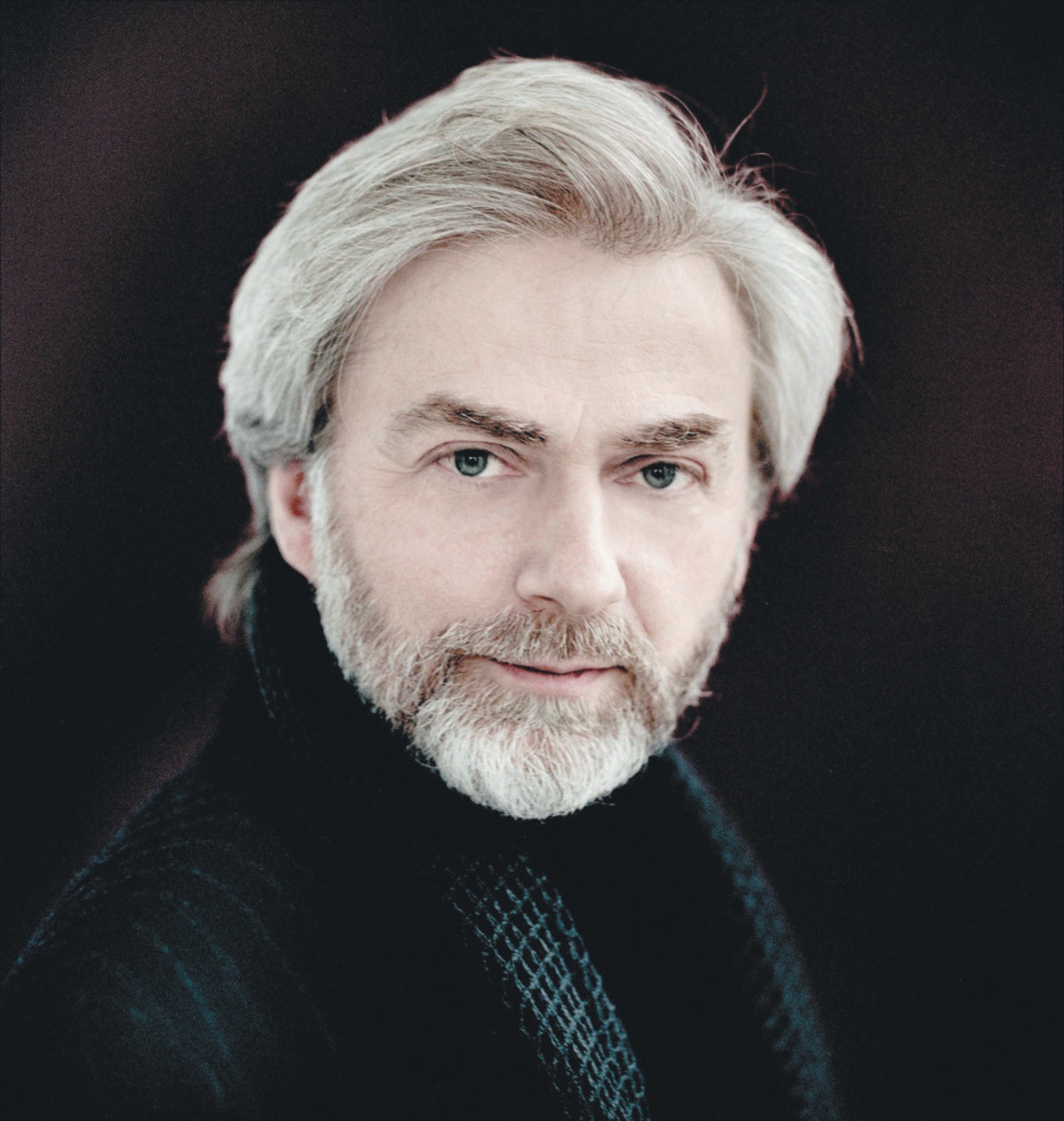
A handsome gentleman walked onto the podium that moment, his silvery hair as resplendent as the touch of his hands on the ivory keys of the grand piano, his graceful poise so controlled and yet so emotionally eloquent that it made all the words in the world meaningless and superfluous, for in those two hours everything was said, though no verbal communication was transmitted between the sold-out hall and the artist.
There are undoubtedly few delights this world can offer quite like the musical artistry of Krystian Zimerman – the living legend of pianism. The clarity of his tone, the fineness of his touch, the acute presence and mastery of emotional balance rendering his performance the peak of artistic splendour makes for an unforgettable experience with the divine language of music. A powerful stage presence made itself felt the moment his hands touched the keys without much reticence, and the opening motive of Brahms’s Piano Sonata no. 3 in F minor spurted from beneath his fingers in an impetuous, majestic cry accentuated by a heavy descent of the bass line.
As it is the custom with Brahms, strong currents of lurid passion are interlaced with heart-piercing tenderness where lilting motives of lyrical beauty are set off by sturdy maladroitness of the contrasting, heavy themes. Sonata in F minor is definitely a mysterious, complex piece that is very hard to grasp and leaves much to ponder. Even a trained listener has to tune his alertness to the finest levels of perception to be able to unveil all the themes and counterthemes that evolve, repeat and overlap throughout the long piece, and thus to get an accurate glimpse of the composer’s fiery intelligence.
Beginning with a furious Allegro maestoso, the sonata proceeds from a place of tragic insistence to an oasis of poetic reflection of the Andante movement only to dash into a tricky Scherzo that feels more like a sinister grin than an innocent joke. The whole piece is completed by pensive, subdued and somewhat funebrial Intermezzo with subtle hints at the famous main motive of Beethoven’s 5th symphony scattered all over the place. The listener is then led to a vigorous Finale through which rays of warmth shine every now and then thanks to motives in major keys, and the triumphant, virtuosic ending leaves an aftertaste of victory, effectively erasing all the gloom and heaviness of the previous struggles.
In Krystian Zimerman’s hands, this complicated, almost 40 minutes long piece of music transformed into a stream of liquid silver as he with breathtaking command steered this exhaustive search of self into a place of transcendence and beauty where one is strictly confronted with both the darkness and light of existence, and where these marked contrasts no longer fight for predominance, but rather live in perfect harmony, complementing each other by mutually highlighting their most splendid features.
The following program consisting of Four Mazurkas op. 24 and four Scherzos by Frédéric Chopin was like a breeze of fresh air flowing through a sunlit garden in full bloom. The art of melodic ingeniousness supported by steady harmonic development of these heart-warming pieces (a trait so pronounced and everpresent in Chopin’s compositions) was delivered with both joy and ease, and as each of the Scherzos was followed by a thunderous applause, that enigmatic je ne sais quoi that exists only during those ephemeral moments of music making was suddenly overwhelmingly tangible and palpable.
As I was leaving the large hall with the roar of approval and appreciation from the audience still ringing in my ears and the dazzling, thankful and humble smile of the artist firmly fixed within my heart, that moment I knew that during those two hours of a dream come true and pure aesthetic bliss – for the eyes as for the ears – I had had the privilege to be a part of a one-of-a-kind performance, a witness of a great life experience and deep feeling transmuted into music where each timbre of sound delivered a nostalgic rush of emotion, inviting the listener to share that moment of perfect vulnerability with the artist, and challeging him to do the most daunting task one can possibly imagine – to let go of walls, let go of denfenses, and feel the naked intimacy of being confronted with the secrets of one’s heart.

 L'art de subtilité