
Le silence tomba une fois de plus. Une fois de plus, mais, cette fois, combien plus obscur et tendu ! Certes, sous les silences d’antan, — comme, sous la calme surface des eaux, la mêlée des bêtes dans la mer, — je sentais bien grouiller la vie sous-marine des sentiments cachés, des désirs et des pensées qui se nient et qui luttent. Mais sous celui-ci, ah ! rien qu’une affreuse oppression…
Vercors – Le silence de la mer
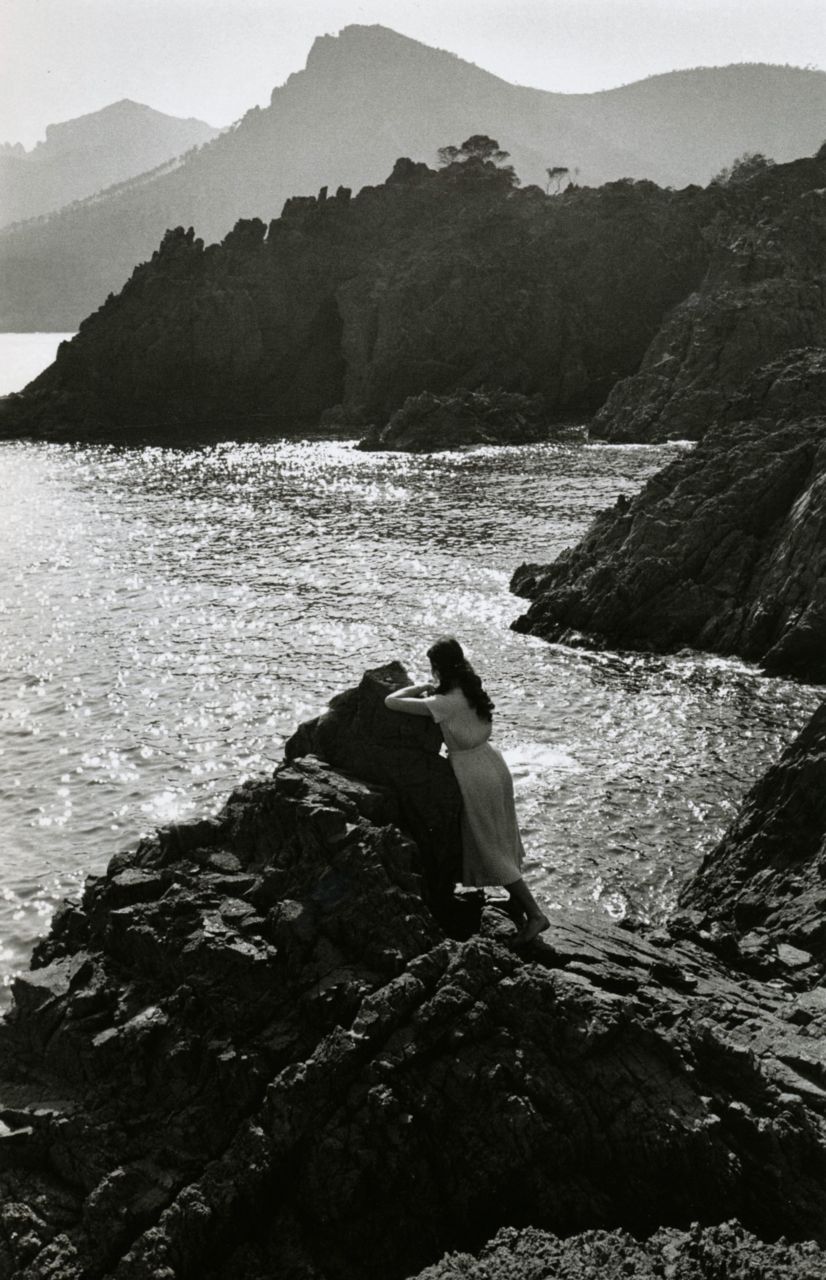
It is perhaps one of the most unfortunate laws of life that the most profound components of our everyday existence often diminish into obscurity under the aggresive torrent of volatile sensations that ceaselessly flood our lives in this hurried age of technical imperialism, coming and going with the unabashed face of a loud and tactless neighbour whom we came to tolerate out of unavoidable necessity. It may seem that there are very few of those who still pay attention to detail, who value delicacy over brash mannerism, who practice the art of patience and actively learn to understand the complex language of silence.
Silence is a teacher and a companion, a prayer and a communion – communion with that which is perhaps too grand to be captured by and squeezed into the imperfection, the finiteness of language. There is no music more captivating than that of silence suffusing the soul in its entirety until it becomes a notation sheet for the most eloquent of partitas. Silence is a fertile soil whose harvest reap only those most attuned to and appreciative of its appeasing presence.
There is a steady, revelatory force in silence, a force we are deeply afraid of these days – why else would we constantly take such great pains to quench it by drowning our lives in the empty clamour of shallow distractions, as though its presence spoke too eloquently, portrayed too vivid an image of ourselves we so often desperately strive to escape? Are we afraid that we might meet God Himself in those moments of quiet retreat, and that the naked intimacy and transparency of this encounter might render existence itself too uncomfortable, our own poverty too immediate, too insisting, too inescapable?
To be silent requires humility; the humility to listen, the humility to try to understand and to admit that one is still but a mere apprentice in the great art of living.
« Je suis heureux d’avoir trouvé ici un vieil homme digne. Et une demoiselle silencieuse. »
Vercors – Le silence de la mer
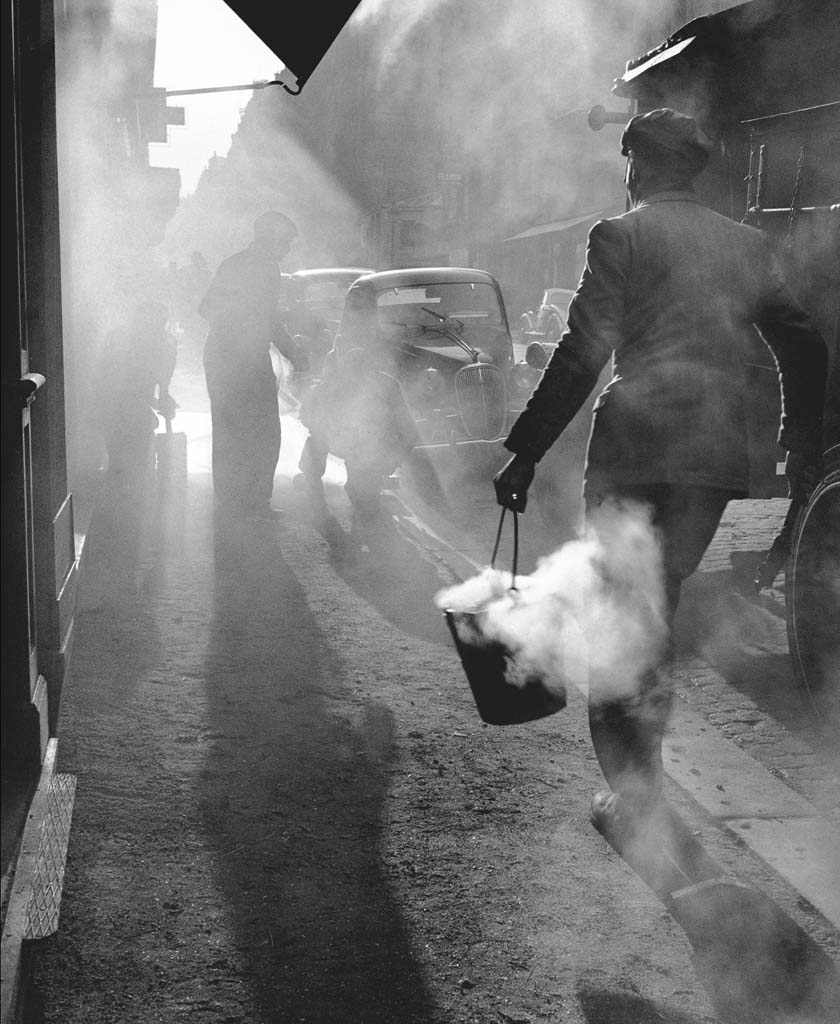
In a poignant novella set in France in 1941 during German occupation, silence becomes the main protagonist and the ultimate vehicle to one of the subtles and most touching of rapprochements perhaps ever written in the history of literature. Published as a proof of patriotism and resistance of the suffering France, it made its author, Jean Bruller (writing under the pseudonym Vercors), famous practicaly overnight, creating a mystical halo of cult around this slender testimony of a quiet and detached observation.
Nous ne fermâmes jamais la porte à clef. Je ne suis pas sur que les raisons de cette abstention fussent très claires ni très pures. D’un accord tacite nous avions décidé, ma nièce et moi, de ne rien changer à notre vie, fût-ce le moindre détail : comme si l’officier n’existait pas ; comme s’il eût été un fantôme. Mais il se peut qu’un autre sentiment se mêlât dans mon coeur à cette volonté : je ne puis sans souffrir offenser un homme, fût-il mon ennemi.
Vercors – Le silence de la mer
When an aged gentleman and his young niece are forced to provide a lodging to a German officer, in an unspoken mutual agreement they decide to continue with their lives as if nothing ever changed, ignoring the young captain who also happens to be a musician-composer deeply enamoured with France’s rich culture. During the period of his stay, a series of meditative evening monologues unfolds in the deep stillness of the livingroom bathed in the subdued glow of a dying fire. These seemingly one-sided encounters repeat themselves in an almost identical pattern, yet always a new fragment of the officer’s patient presence manifests itself as he attempts over and over again to cross the wide bridge of silence dividing their respective shores. Suddenly his involuntary host is presented with a bugging dilemma – is Werner von Ebrennac an unwanted guest, the symbol of a foreign oppressor in the house of an enemy, or a man of a noble character forced by unhappy circumstances to stand opposed to the people of a country he feels sincere devotion and closeness towards?
— Bach… Il ne pouvait être qu’Allemand. Notre terre a ce caractère : ce caractère inhumain. Je veux dire : pas à la mesure de l’homme.
Vercors – Le silence de la mer
Un silence, puis :
— Cette musique-là, je l’aime, je l’admire, elle me comble, elle est en moi comme la présence de Dieu mais… Mais ce n’est pas la mienne.
« Je veux faire, moi, une musique à la mesure de l’homme : cela aussi est un chemin pour atteindre la vérité. C’est mon chemin. Je n’en voudrais, je n’en pourrais suivre un autre. Cela, maintenant, je le sais. Je le sais tout à fait. Depuis quand ? Depuis que je vis ici. »
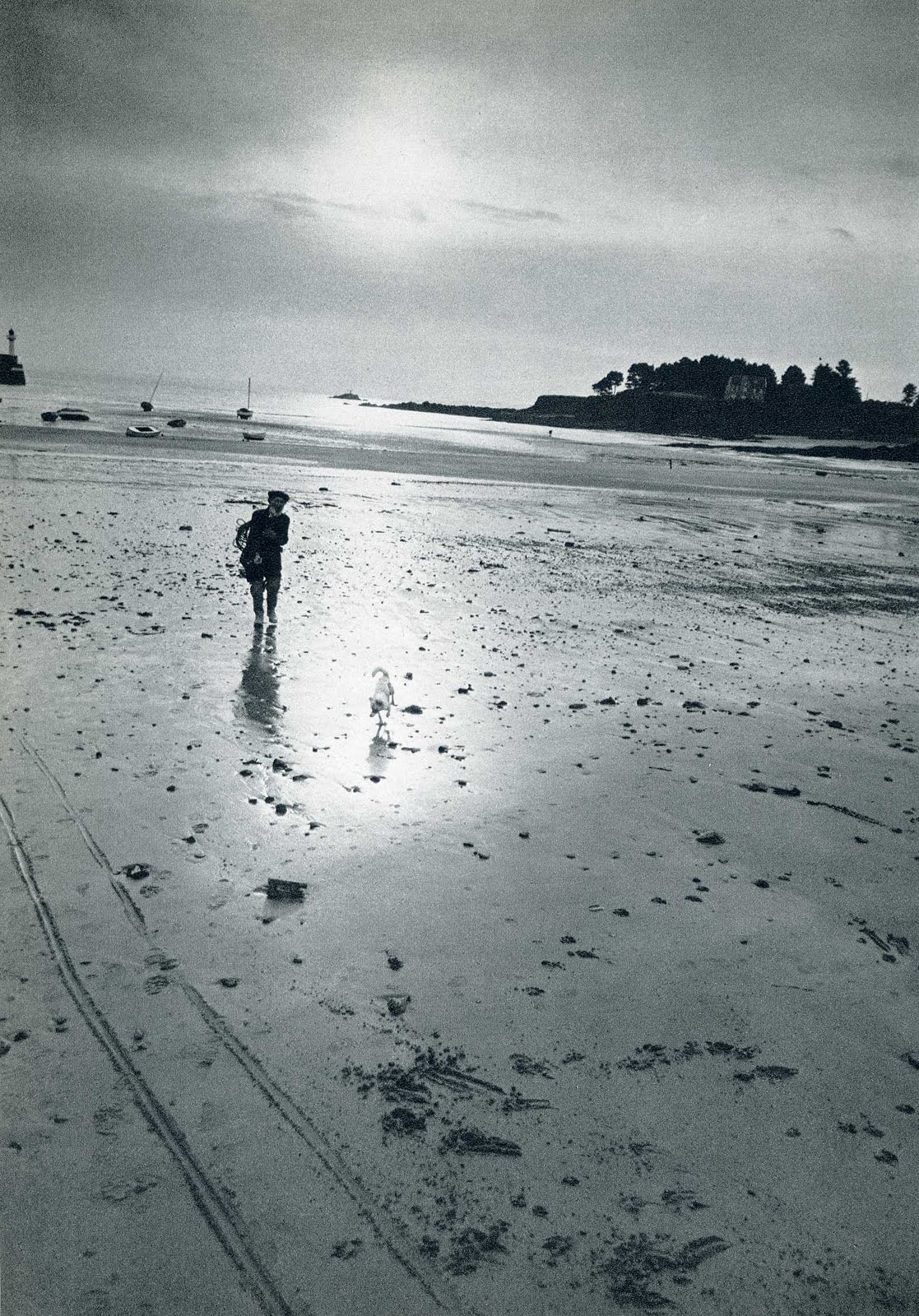
Thus in the span of barely a few dozen of pages, silence comes to reign supreme over the unrest of three hearts united by fate. It becomes a narrator and a protagonist at the same time, providing space for questions that softly nudge the two opposing camps towards each other in a crescendo of spiritual unison. Is war truly a reason enough to suppress such a natural and effortless affinity as that between the German officer and his hosts, an affinity that has already planted seeds and grew almost imperceptible roots? Can true feeling of humanity and fellowship be preserved intact even amidst the most dire of circumstances that try to erase and deny those very qualities and sentiments that make the suffering on this Earth more bearable, the burdnes on our shoulders lighter?
Perhaps the most intriguing of traits of this solfège narrative is that it does not give any definite answers to the questions it inevitably raises. Le silence de la mer is a detached observation, music which is heard within and has no external outflow. It is a pensive meditation in the arms of a silence that suddenly takes on multiple interpretations, yet remains a solid coulisse, an everpresent comfort and a uniting element of those who subconsciously search for a path towards each other without being aware of it.

 L'art de subtilité