
À la moitié du chemin de la vraie vie, nous étions environnés d’une sombre mélancolie, qu’ont exprimée tant de mots railleurs et tristes, dans le café de la jeunesse perdue.
Guy Debord
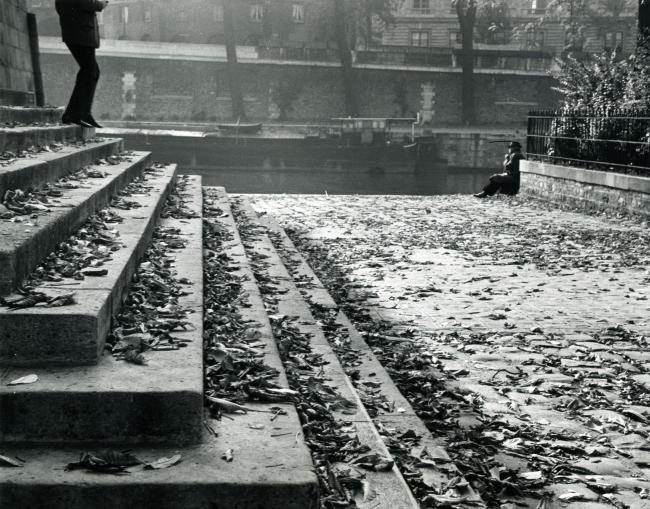
The air was cold and the stone sombre as my eyes thirstily stripped the city naked in the fresh autumnal wind. It swayed the branches above my head in soft whisper and brought with it the damp scent of October. Infused with proverbial melancholy, autumn becomes Paris like a finely tailored muslin chemise to Madame Récamier smiling shyly from François Gérard’s tender portrait.
Drunk on the atmosphere of the Capital of the World and the generous smiles of dashing French gentlemen, the archetypes of elegance à la française, I wandered through the streets like a sleepwalker in that October 2016, from Frédéric Chopin’s grave at Cimetière Père Lachaise to Île de la Cité, Place de Dauphine and the statue of King Henry IV., passing endearing little cafés whose lights winked mischievously at me with their warm glow, promising an atmosphere of incredible intimacy as the day became subdued by the outstretched arms of shadows. I wondered what strange fluidum it is that runs through the throbbing vessels of the city’s flesh, emanating such strong magnetism that chance encounters become lovers writing history and simple ideas immortal works of art.
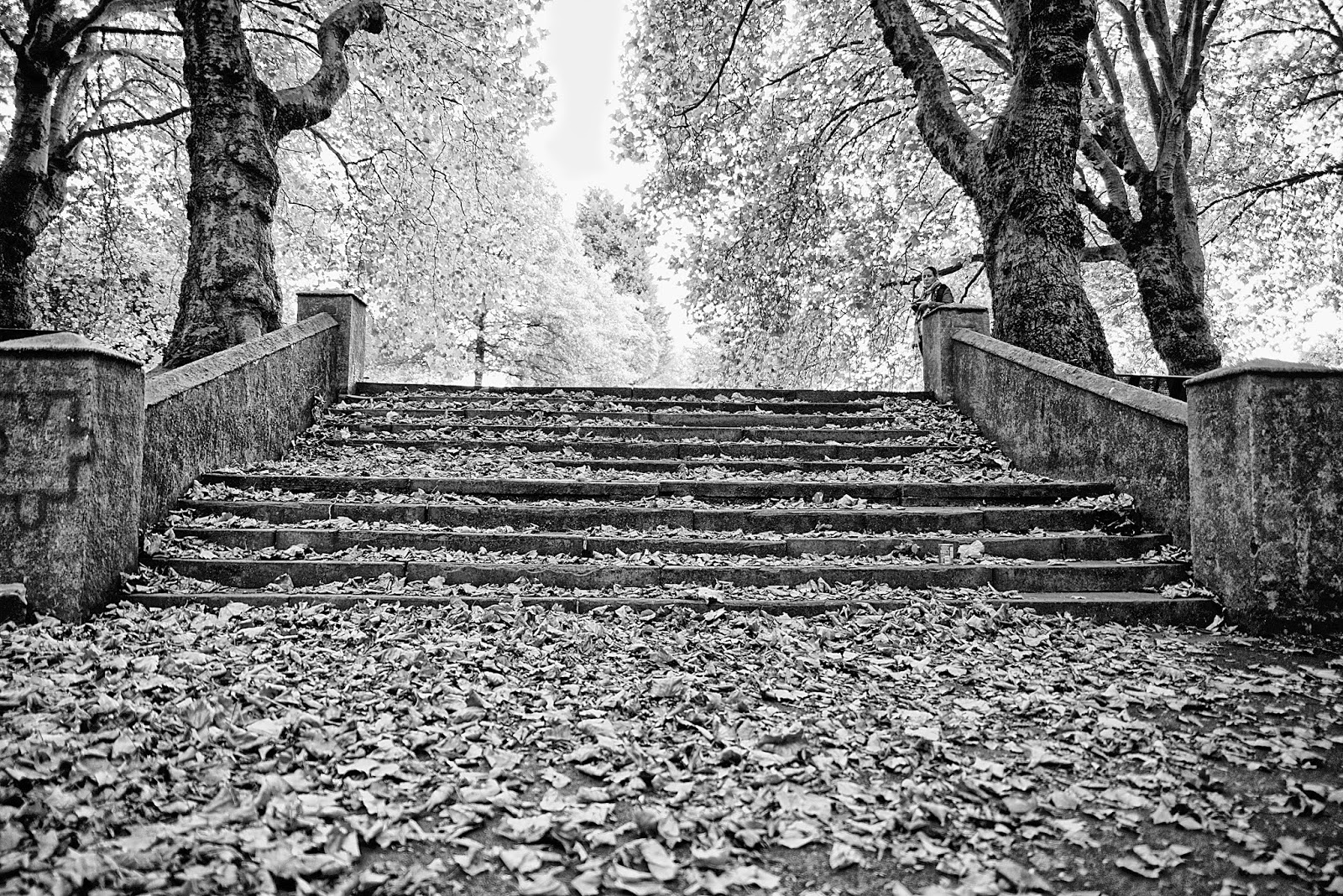
Paris is a city to get lost in, undoubtedly. Like an old antiquarian bookshop, it is an elaborate edifice of untold stories, names, names and names imprinted in the stucco of the buildings, the cracks in the pavement, the cobbles in the streets. There is always a ghost running at your heels that evaporates in the evening mist behind the next corner, and chasing them feels exhilarating.
Pour moi, l’automne n’a jamais été une saison triste. Les feuilles mortes et les jours de plus en plus courts ne m’ont jamais évoqué la fin de quelque chose mais plutôt une attente d’avenir.
Patrick Modiano – Dans le café de la jeunesse perdue
Tasting the autumnal Paris through the refracted glass of Modiano’s multiple narrators, the reader slowly retraces the gently vibrating strings of a youth enveloped in haunting sadness, like a quivering harp carrying a deeply sorrowful melody. A student without a name, a detective, an abandoned husband, a lover. All of them slowly spin a delicate thread, build a picture of a woman whose face and voice blend with the city’s veins, a woman whose only legacy is a history of her presence at Café du Condé, the centre stage of evening encounters shrouded in half-truths, nicknames and mystery. Who is Louki, this woman who runs with the shadows of Paris, changes logements as though she were hunted and sits in the distant corner of the café, habitually coming in through the narrower and darker of the two entrances? And why is her voice so so piercing, almost like a plea for rescue from the shattered ruins of her past?
In the little novel, past becomes a narrator of its own, retelling a story of loss and visceral loneliness pervading the very core of the heroine, loneliness that sets her mercilessly apart from her surroundings, stemming from wounds she found hard to face, or perhaps even name. They became phantoms relentlessly pursuing her in her exhaustive need to flee – flee everything and everyone, but mostly flee herself in a misguided attempt at liberation from the chains that were binding her.
Plus tard, j’ai ressenti la même ivresse chaque fois que je coupais les ponts avec quelqu’un. Je n’étais vraiment moi-même qu’à l’instant que je m’enfuyais. Mes seuls bons souvenirs sont des souvenirs de fuite ou de fugue.
Patrick Modiano – Dans le café de la jeunesse perdue
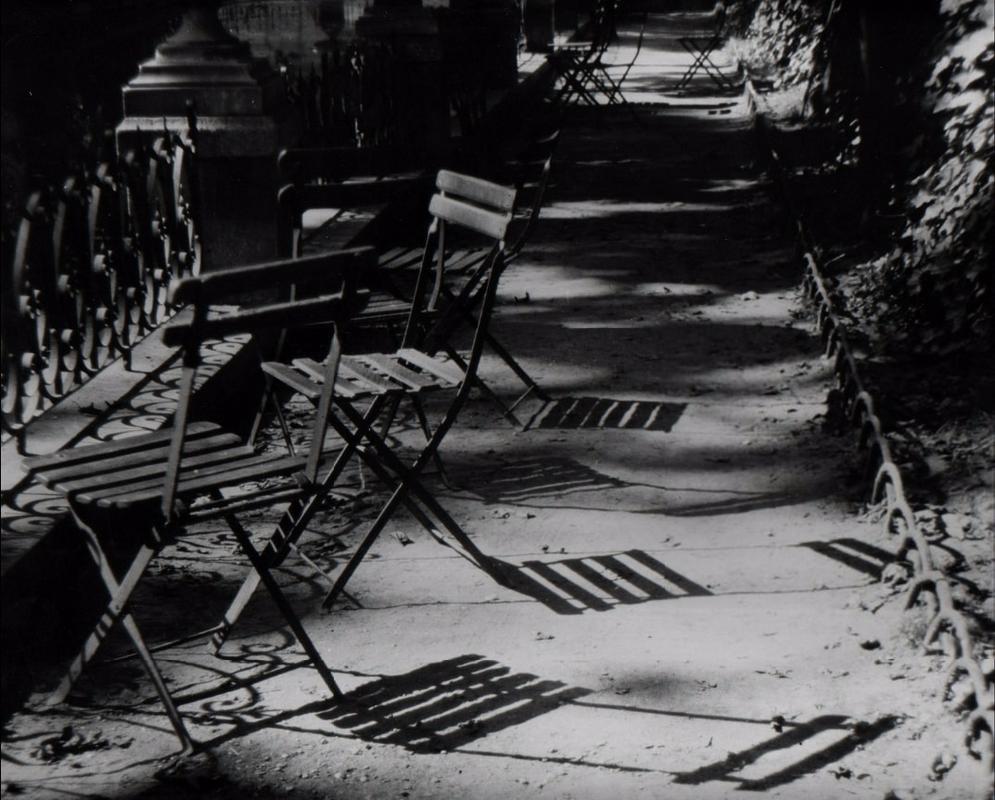
As she too becomes a phantom to pursue those who once loved her, Modiano’s poignant prose takes the reader on a sombre tour through Paris’s night streets, abandoned cafés, memories slumbering in the dim lights of the street lamps, each one a shadow curled up in the hearts of those who loved and lost.
Encore aujourd’hui, il m’arrive d’entendre, le soir, une voix qui m’appelle par mon prénom, dans la rue. Une voix rauque. Elle traîne un peu sur les syllabes et je la reconnais tout de suit : la voix de Louki. Je me retourne, mais il n’y a personne. Pas seulement le soir, mais au creux de ces après-midi d’été où vous ne savez plus très bien en quelle année vous êtes. Tout va recommencer comme avant. Les mêmes jours, les mêmes nuits, les mêmes lieux, les mêmes rencontres. L’Éternel retour.
À partir de cet instant-là, il y a eu une absence dans ma vie, un blanc, qui ne me causait pas simplement une sensation de vide, mais que je ne pouvais pas soutenir du regard. Tout ce blanc m’éblouissait d’une lumière vive, irradiante. Et cela sera comme ça, jusqu’à la fin.
Patrick Modiano – Dans le café de la jeunesse perdue
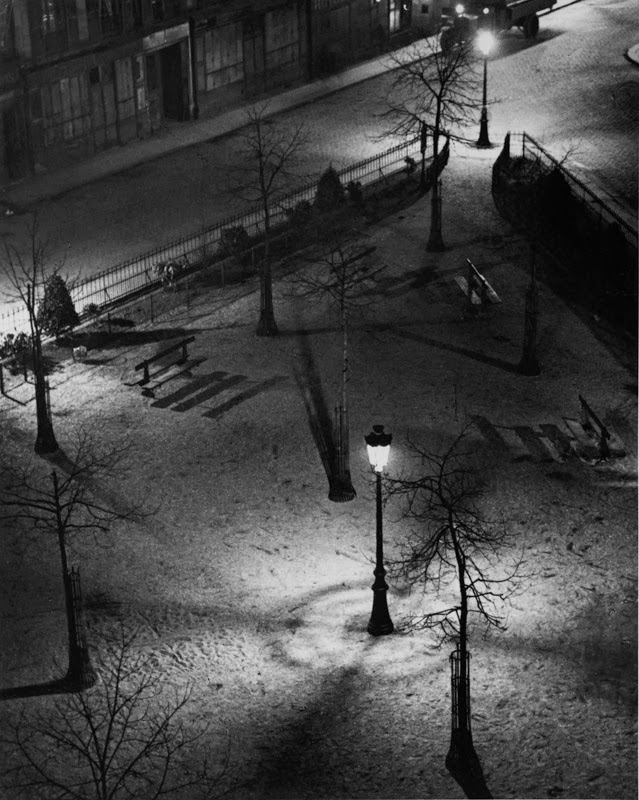
People pass through the landscape of our hearts, always leaving a trace, a shadow upon their departure – a shadow whose contours are accentuated in due proportion by the intensity of our love’s light. And we are left wondering, waiting for the l’éternel retour that never comes, staggering through the abandoned streets of a city submerged in night, chasing ghosts that always evaporate behind the corner of the next street.
 L'art de subtilité